- Have any questions?
- +27 82 490 3412
- YOUR BUSINESS OUR PRIORITY!
- info@trunelbags.co.za

How to Prepare a Farm Site for Safe Silo Bag Storage

Buy high-quality Bulk Bags in Lesotho and polypropylene bags in Lesotho
August 14, 2026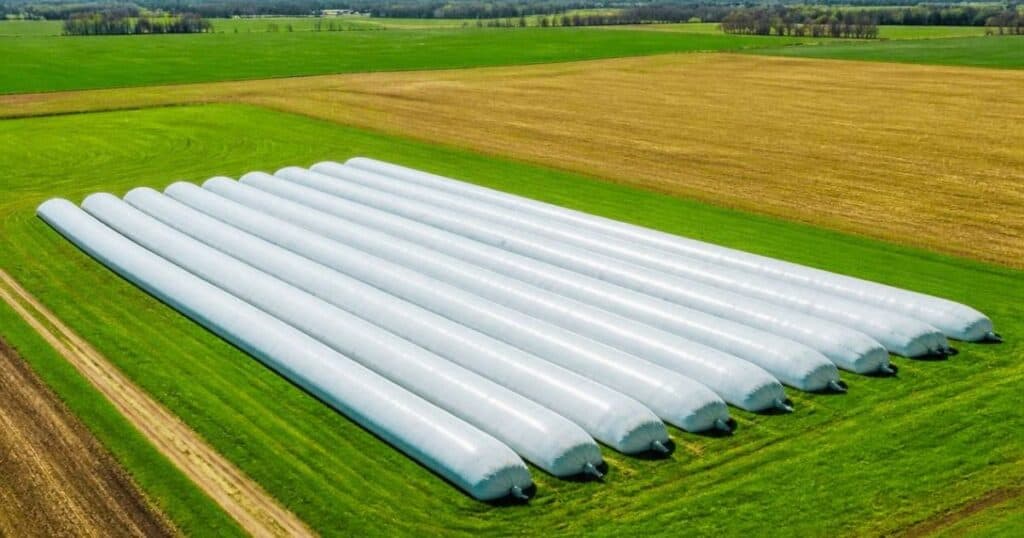
Safe silo bag storage starts with the site beneath the bag. Firm ground, reliable drainage, low puncture risk, room for machinery, and an easy inspection route reduce avoidable trouble during storage. A poor site can leave a good bag exposed to water, wildlife, surface damage, or difficult grain removal.
Farmers who want to know how to prepare a farm site for silo bags should judge the site from harvest through grain removal, not from placement day by itself.
Firm ground is important when tractors or other equipment travel through the storage area. Good drainage and enough space between the bags also make grain inspections easier after sealing.
Choose the right location before you prepare the ground

Before placing the first bag, check the ground for soft patches, dips, and signs of previous flooding. Higher ground with a firm, even surface gives rainwater a route away from the storage area. A slight slope should direct runoff away from the bag line.
Road conditions are just as important as the storage pad. Trucks, tractors, baggers, and grain-removal machinery must reach the area after rain, not merely during dry harvest weather.
Choose an open section with enough space for machinery to travel straight and turn safely. Staff should also have room to walk beside each grain bag during inspections. Trees, fences, steep banks, and narrow gates can make the area difficult to work in.
The edge of a paddock may seem like an easy place for grain bags during harvest. Check the ground first, as lower sections can turn soft after heavy rain.
A slightly more distant site on firm ground can reduce tyre ruts, water exposure, and delays when grain must leave the bag. Consider convenience over the entire storage period, including grain removal at the end.
Prepare and firm the ground for the silo bags

Ground preparation should leave a firm, smooth surface beneath the silo bag and a stable machine path. Correct sharp debris, deep ruts, soft patches, and low spots before the bagger enters.
- Mark the silo bag footprint and machine route, with enough room for straight travel, turns, inspection, and later grain removal.
- Check the storage line and nearby working space for sharp objects such as stones, wire, sticks, stubble, and metal scraps, then remove each hazard before bag placement.
- Raise low sections and repair rutted ground where rainwater could settle after heavy rain.
- Grade the surface until the bag line is firm and even, with no sharp aggregate, loose stone, deep tracks, or soft ground underneath.
- Clear overgrown vegetation and any grain or crop residue that could feed pests or provide shelter close to the bags.
- Walk the bag line before grain arrives, then correct fresh debris, surface damage, or route restrictions before machine operation begins.
A prepared surface should feel stable under tyres and smooth beneath the bag. Water should have an obvious route away. If recent rain exposes soft soil, pooled water, new ruts, or sharp material, repair the area before grain enters the bag.
Plan drainage, bag direction, and distance between bags
Drainage has priority over a neat layout. Silo bag direction, ground fall, vehicle movement, and inspection space should support safe farm operations.
| Site factor | Recommended approach | Reason | Verification before grain enters |
| Surface grade and drainage | Firm site with gentle fall | Reduces pooled water | Water drains away |
| Bag direction | Follow terrain and drainage first | Limits cross-slope risk | Bag line matches ground |
| Bag and machinery clearance | Leave room for equipment and inspection | Reduces contact risk | Check machine requirements |
| Runoff and wet-weather route | Divert runoff from vehicle routes | Protects wet-weather travel | Route has no soft bottleneck |
Mark runoff channels and vehicle routes before bag placement; visible site markers help farm staff follow the intended layout under harvest pressure.
North-to-south placement gives both sides of the grain bag more balanced sun exposure during the day. Choose another direction if drainage or machinery access requires it. Where the ground slopes, place the bag in the same direction as the slope.
Avoid a universal distance between bags unless the bagger, grain-removal machine, and Trunel bag specification confirm the figure.
A tidy row is not worth a poor drainage path. Mark the intended bag line before site work, then compare the layout with the equipment that will place and empty each bag.
Remove puncture, pest, and animal risks

Polyethylene performs best when the site does not expose the bag to sharp objects or repeated animal contact. Reduce avoidable risks before grain arrives.
- Walk the bag line and machinery routes and remove stones, sticks, wire, metal pieces, stubble, and sharp crop debris.
- Cut down long grass and clear thick growth close to the grain bags where small animals could shelter.
- Locate the storage line away from trees to avoid falling branches, birds gathering overhead and roots creating an uneven surface.
- Remove spilled grain and crop residue near the site because easy food sources can draw animals toward the stored grain.
- Check fences, farm pest controls, and wildlife deterrents before placement, with every product applied as stated on its current product label.
A puncture can admit moisture and release grain odour, which can draw further wildlife to the damaged area. Site preparation lowers the risk, but inspection still has a role after storage begins.
Repair bag damage promptly in line with the bag supplier’s repair method, and deal with the cause before the same area suffers another puncture.
Allow safe vehicle routes for bag placement, inspection, and grain removal
The storage pad serves three different jobs: Bag placement, routine inspection, and grain removal. Machinery requires a straight approach, room to turn, and stable ground beside the silo bag.
Vehicle routes should not force tyres, drawbars, augers, or other equipment close enough to scrape or crush the polyethylene.
Inspection also requires a route beside each bag. Farm staff should be able to walk around the site, see both sides of the bag, find punctures, inspect water flow, and spot animal activity without dense vegetation or deep mud across the route.
A site that becomes difficult after rain can delay repairs at the time when damage is easiest to contain.
Plan grain removal before the first bag is placed. Check the machine space required by the farm’s bagger and grain-removal equipment, then mark those routes on the site.
Never enter a grain bag. Grain can move without sudden movement, and powered grain-removal equipment creates serious entrapment and suffocation hazards.
Final pre-storage site checklist
Review the site immediately before grain arrives. A failed drainage, surface, puncture, or machinery item should stop placement until the fault has been corrected.
| Check | Pass condition | Action if not ready |
| Site elevation | Bag line is above low wet areas | Select higher ground or improve drainage |
| Surface firmness | Tyres do not sink deeply | Firm the ground and repair soft patches |
| Drainage | Water flows away from the bag line | Regrade low spots and runoff paths |
| Sharp debris | Bag footprint is free of puncture hazards | Remove debris and inspect again |
| Vegetation and animals | Nearby shelter and food sources are reduced | Trim vegetation and remove grain residue |
| Silo bag line and direction | Layout fits terrain and drainage | Remark the line before placement |
| Machinery route | Equipment has stable room to travel and turn | Widen or repair the route |
| Inspection and repair readiness | Both bag sides can be checked safely | Open the route and prepare repair materials |
Use the site check before committing grain bags to the area. Drainage, ground firmness, puncture hazards, and machinery space should each be checked before filling begins.
If one of those items fails, correct it before grain enters the silo bag. Trunel Bags can help confirm bag specifications where site dimensions or equipment compatibility are uncertain.
Frequently Asked Questions
Should silo bags be placed on perfectly flat ground?
Not always. Focus on an even surface rather than perfectly flat ground. The bags require a firm base for correct placement, while a slight fall helps rainwater drain away. Check the area for hollows that could leave water pooled near the grain.
Which direction should silo bags lie?
Drainage, terrain, and safe machinery travel take priority. North-to-south placement can reduce uneven solar heat on opposite sides of a bag where the site permits that orientation. Sloped land requires extra care: Align the silo bag with the direction of the slope, not across the slope, when terrain and equipment permit.
How much space should be left beside silo bags?
Leave enough room for the bagger, grain-removal equipment, vehicle turns, and safe inspection beside the polyethylene. Clearance depends on the machine, bag dimensions, and site layout. Check current equipment instructions and the relevant Trunel bag specification before a distance is marked on the ground.
How often should a silo bag site be inspected?
A weekly walk through the storage area gives you a chance to spot damage early. Check again after severe weather or animal activity, and inspect the bags for punctures, loose patches, tyre damage, standing water, and changes to the ground beneath or beside each silo bag. Deal with any damage promptly before more grain is exposed.
Prepare the site before harvest begins
A suitable silo bag site starts with firm, well-drained ground and a surface that is unlikely to damage the plastic. There should also be enough space for machinery to pass and for staff to check the bags during storage.
Preparing the area before harvest reduces the chance of repairs or site changes when the grain is ready.
Trunel Bags supplies silo bags for South African farms and can help with bag specifications, site dimensions, and product guidance before storage begins. Speak with the Trunel Bags team before placement if the site layout or machinery requirements are uncertain.
