- Have any questions?
- +27 82 490 3412
- YOUR BUSINESS OUR PRIORITY!
- info@trunelbags.co.za

Sustainable Agricultural Bags: An eco-friendly Alternative for Farmers

How Agricultural Bags Are Contributing to Food Security and Sustainability
January 16, 2026Woven vs Non-Woven Bags: Understanding the Benefits
June 18, 2026For South African farmers, the choice of agricultural bags affects both efficiency and the environment. Traditional plastic bags are durable and affordable but contribute to long-term environmental problems. Sustainable agricultural bags offer an eco-friendly alternative, designed to meet farming demands while reducing waste and protecting soil and water health.
This article explains what sustainable agricultural bags are, their types, and why they are an increasingly smart choice for modern South African farming.
Trunel Bags is a leading supplier of silage sheeting. We also offer plastic sheeting.
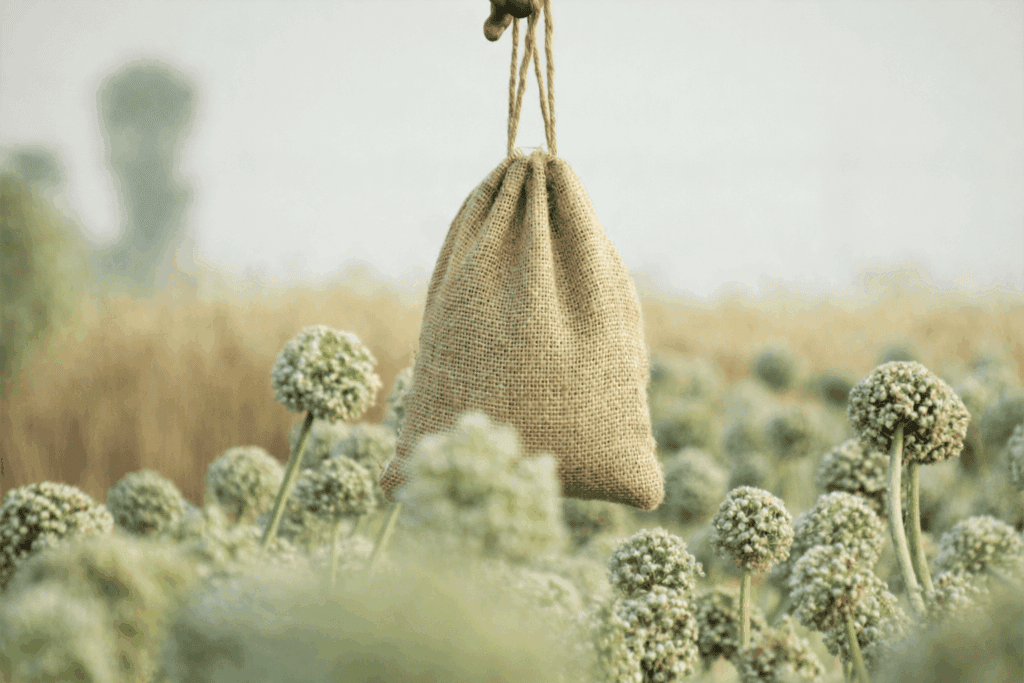
What Are Sustainable Agricultural Bags?
Sustainable agricultural bags balance mechanical strength, moisture resistance, and environmental responsibility. They are typically made from:
- Recycled plastics — reprocessed material diverting waste from landfill
- Biodegradable polymers — engineered to break down under specific conditions
- Compostable materials — degrade into non-toxic organic matter
- Durable woven polypropylene (PP) — reusable and recyclable
These bags are suitable for transporting seeds, grain, fertiliser, produce, and animal feed.
From Soil to Shelf: Why Eco-Friendly Packaging Transforms SA Agriculture
South Africa produces millions of tonnes of agricultural products annually. With this comes significant packaging waste. Studies indicate that plastic waste accounts for up to 50% of visible litter in coastal zones and contributes to microplastic contamination in soil and water (South African Journal of Science, 2021). Improper disposal of conventional bags can affect soil fertility, water quality, and long-term farm productivity. Sustainable bags mitigate these issues by being reusable, recyclable, or biodegradable.
Types of Sustainable Agricultural Bags
- Recycled Polypropylene (rPP) Bags
Made from post-consumer plastic waste, rPP bags are strong, durable, and fully recyclable. They reduce the carbon footprint compared to virgin plastics and are ideal for heavy loads. South African recycling infrastructure, especially in Gauteng and Western Cape, increasingly supports rPP reuse.
- Biodegradable & Compostable Bags
These bags break down into water, CO₂, and biomass under suitable microbial and moisture conditions. Certified standards like EN 13432 ensure environmentally safe degradation. They are ideal for temporary storage or short-term transport but require proper disposal conditions to be effective.
- Heavy-Duty Woven Bags
Reinforced woven PP bags with UV stabilisers are designed for multiple reuse cycles. They are ideal for fertilizers, grains, lime, and animal feed, offering durability in South Africa’s high-UV and variable-moisture environments. End-of-life recycling is possible through local collection schemes.
Environmental & Economic Benefits
Lower Carbon Footprint: Recycled polymer production can reduce greenhouse gas emissions by up to 70% compared to virgin plastics (Plastics SA Environmental Report, 2020).
Reduced Soil & Water Contamination: Non-biodegradable plastics persist in soil, potentially impacting crop productivity. Sustainable bags reduce this risk while protecting microbiomes in critical agricultural zones like the Free State and Mpumalanga.
Support for a Circular Economy: Many South African agricultural cooperatives accept used woven or rPP bags for industrial reuse, keeping materials in the economy and reducing landfill waste.
Practical Considerations for Farmers
- Match Bags to Load Requirements: Heavy products need strong woven bags with UV stabilisation.
- Store Properly: Shield bags from prolonged sunlight to extend lifespan.
- Plan End-of-Life Management: Work with local recyclers or cooperative schemes in your province.
- Balance Performance and Biodegradability: Biodegradable bags are ideal for temporary use; recycled PP suits heavy or repeated applications.
Real-World Stats
A South African agricultural packaging survey found that over 60% of farmers see packaging waste as an environmental priority, yet only 25% actively participate in recycling programs (SA Packaging Insights, 2023). Globally, agriculture contributes significantly to microplastic soil contamination, making sustainable bag adoption both an environmental and operational necessity.
Bagging a Greener Tomorrow
Sustainable agricultural bags are not just an eco-friendly trend — they are a scientifically grounded solution for modern South African farmers. Whether using recycled PP for heavy-duty applications, biodegradable options for seasonal needs, or reusable woven bags, sustainability can coexist with performance. By adopting sustainable bags, farmers protect soil health, reduce waste, and support circular economy practices, ensuring a long-term, eco-conscious approach to agriculture.


