- Have any questions?
- +27 82 490 3412
- YOUR BUSINESS OUR PRIORITY!
- info@trunelbags.co.za

Woven vs Non-Woven Bags: Understanding the Benefits
Sustainable Agricultural Bags: An eco-friendly Alternative for Farmers
February 27, 2026Innovative Uses of Agricultural Bags Beyond Farming: A Versatile Packaging Solution
June 18, 2026Overview
Reusable bags have become a visible part of everyday life as businesses and consumers move toward more sustainable packaging. However, not all reusable bags are created equal.
The choice between woven and non-woven bags feeds into not only quality and cost, but also how a brand is perceived. Understanding the difference means taking a closer look at how these bags behave in the real world.
Trunel Bags is also a leading supplier of silage sheeting and plastic sheeting.
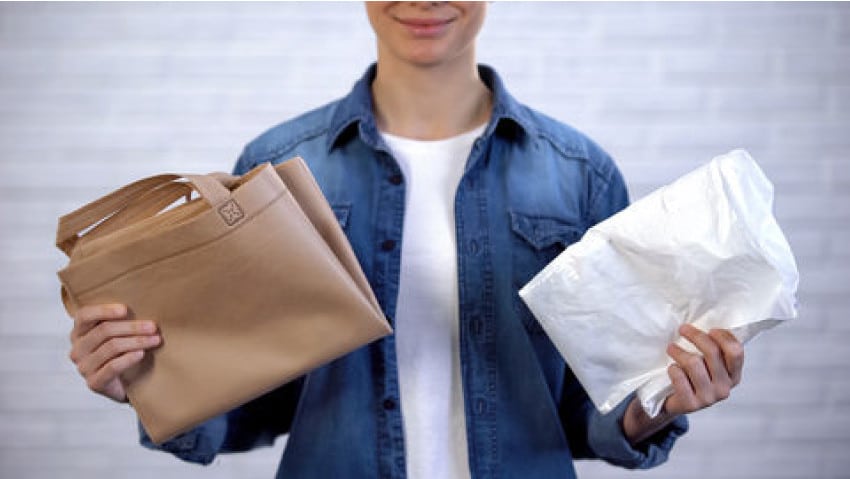
What Are Woven Bags?
Woven bags are made by interlacing polypropylene threads, much like traditional fabric. This structure creates a strong, flexible material that feels more like cloth than plastic.
The result is a bag that keeps its shape while carrying heavier loads, resisting tearing even under repeated use. You’ll often see woven bags in retail, agriculture and bulk packaging, where strength matters as much as appearance.
Woven bags tend to have a slightly textured finish, which gives them a more premium feel, especially when laminated for a smoother surface and sharper print quality.
What Are Non-Woven Bags?
Non-woven bags, by contrast, are produced by bonding fibres together through heat, pressure or chemicals. There’s no weaving involved, which makes the process faster and more budget friendly.
Non-woven bags are lightweight, soft to the touch and widely used for promotional giveaways, events and short-term retail use. While they still offer decent strength, they are not designed for the same level of repeated heavy use as woven alternatives.
Their smooth surface allows for clean printing, which makes them a popular choice for branding campaigns that need scale without a large budget.
Main Benefits of Woven Bags
Woven bags are built to last, which means they can be reused countless times without losing integrity. This not only reduces waste but also increases long-term value.
While non-woven bags may stretch or weaken under heavier loads, woven bags maintain their structure, making them more reliable over time. They are ideal for groceries and hardware or agricultural products.
From a branding perspective, woven bags elevate perception. Their sturdier feel, along with high-quality printing when laminated, positions a brand as more premium and considered.
Non-woven brands are also weather-resistant. With lamination, woven bags can repel moisture while protecting contents, which makes them practical in unpredictable conditions.
Main Benefits of Non-Woven Bags
Because non-woven bags are quicker to produce, they offer a lower upfront cost while still supporting reuse.
They are also lightweight and easy to distribute. You can hand them out in large volumes at conferences or retail promotions without logistical strain.
Another advantage is their versatility. Non-woven bags come in a wide range of colours and styles, allowing brands to experiment with design while maintaining consistency across campaigns.
While they may not last as long as woven bags, non-woven still encourage reuse. Even a handful of uses reduces reliance on single-use plastics, which supports broader sustainability goals.
Choosing the Right Bag for Your Needs
The decision between woven and non-woven bags comes down to their use. If longevity and brand positioning are the priority, woven bags offer a clear advantage. They work best in environments where the bag becomes part of the customer’s routine, used again and again.
On the other hand, if cost, scale and short-term visibility matter more, non-woven bags provide an efficient solution. They allow businesses to reach more people while still promoting a reusable mindset.
In many cases, the smartest approach is understanding where each bag fits. A premium retail experience might call for woven bags, while a nationwide campaign could lean on non-woven options to maximise reach.
The Bigger Picture
Both woven and non-woven bags play a role in moving behaviour away from disposable culture. One prioritises strength and longevity, while the other focuses on affordability and scale.
The real benefit lies in intentional choice. When businesses align the type of bag with their goals, they not only meet practical needs but also tell a clearer story about who they are and what they value.


